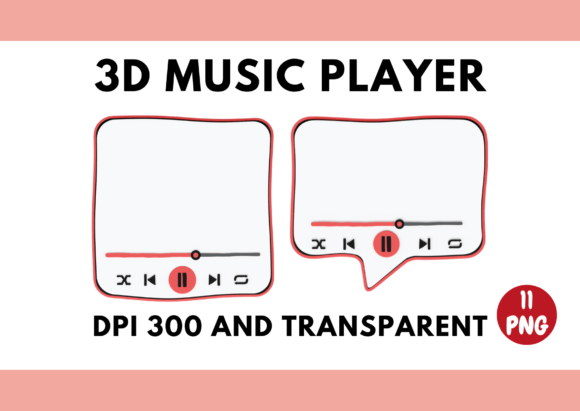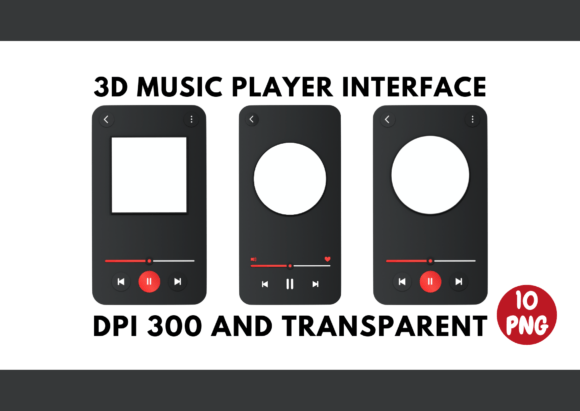
3D Render Music Player Interface
In the fast-paced world of digital content creation, visual assets are the currency of attention. Whether you are designing a social media post, crafting a digital invitation, or building a promotional video, the quality of your graphical elements determines how quickly your audience engages with your message. This is where high-quality cutout images become indispensable tools for designers, marketers, and small business owners alike. Specifically, the 3D Render Music Player Interface collection offers a unique blend of modern aesthetics and practical utility that can elevate a wide range of creative projects.
Unlike traditional flat icons or generic stock photos, these renders provide depth, texture, and a tangible sense of realism. The collection includes ten distinct PNG files, each featuring a transparent background and no watermarks. This technical specification is crucial for seamless integration into any design workflow. You are not spending hours masking out white backgrounds or dealing with low-resolution artifacts. Instead, you get clean, crisp edges that allow the 3D object to sit naturally within your composition, whether it is layered over a vibrant gradient or placed against a minimalist white space.
Visual Appeal and Design Versatility
The visual characteristics of a 3D rendered music player interface go beyond simple functionality. These images capture the sleek, tactile nature of modern audio technology. Think of glossy buttons, subtle shadows, and the interplay of light on smooth surfaces. This aesthetic aligns perfectly with current trends in modern typography and UI design, where depth and realism are making a strong comeback after years of flat design dominance.
For a brand identity strategist, these assets offer a way to communicate sophistication and tech-savviness without needing custom 3D modeling skills. The personality of these renders is contemporary and polished. They do not scream for attention but rather support the overall narrative of your design. When used in social media graphics, they add a layer of professionalism that distinguishes your content from the sea of amateur edits. The transparency of the PNG files ensures that the lighting and color palette of the render can harmonize with your existing brand colors, creating a cohesive look across all platforms.
Consider the application in editorial design or blog headers. A 3D music player element can serve as a focal point, drawing the eye to the headline while reinforcing the topic of audio, podcasts, or entertainment. Because the files are high-resolution cutouts, they scale well for both digital screens and print materials like posters or flyers. This versatility makes them a valuable addition to your library of design assets, saving you time and resources on future projects.
Enhancing Brand Perception and Engagement
How you present your content influences how your audience perceives your brand. High-quality visuals signal professionalism, attention to detail, and respect for the viewer’s experience. Using premium-looking elements like the 3D Render Music Player Interface can subtly enhance your brand perception. It suggests that you invest in quality, which can translate to greater trust from your customers or followers.
In terms of audience engagement, visual hierarchy is key. A well-placed 3D element can guide the viewer’s eye through your design. For instance, in an advertisement for a new playlist or a music-related event, the render can act as an anchor. It breaks up text-heavy layouts and provides a visual rest point that keeps the viewer interested. This is particularly effective in web design and landing pages, where user retention is critical. The realistic nature of the render creates a sense of immediacy and tangibility, making the digital experience feel more connected to the physical world.
Furthermore, consistency in visual style strengthens brand recognition. If your creative font choices and color schemes are modern and clean, pairing them with these 3D renders creates a unified aesthetic. This consistency helps your audience instantly recognize your content in a crowded feed. Whether you are a podcaster promoting a new episode or a retailer selling audio equipment, these images help maintain a professional and cohesive brand identity across all touchpoints.
Practical Applications Across Industries
The utility of these transparent PNG cutouts extends far beyond music-specific projects. Here are several practical ways to integrate them into your workflow:
- Social Media Content: Use the renders as overlays for Instagram stories or TikTok videos. They work exceptionally well as stickers or decorative elements that frame your text or product shots.
- Digital Invitations and Headers: For events centered around music, parties, or launches, these interfaces add a thematic touch. Place them in the corner of an email header or as a background element in a digital invite to set the mood.
- Video Element Content: Since the backgrounds are transparent, you can easily animate these static images in video editing software. Add a slight zoom or rotation to create dynamic motion graphics for YouTube intros or promotional reels.
- Print Advertising: From brochures to large-format posters, the high resolution ensures clarity. Use them to illustrate articles about technology, entertainment, or lifestyle trends in magazines and newsletters.
- Packaging Design: If you are designing packaging for audio-related products, these renders can serve as realistic mockups or decorative icons that highlight features like high-fidelity sound or easy connectivity.
For entrepreneurs and small business owners, these assets reduce the barrier to entry for high-end design. You do not need to hire a 3D artist or spend hours learning complex rendering software. The files are ready to use, allowing you to focus on strategy and messaging rather than technical execution.
Selecting the Right Assets for Your Project
When choosing design elements, it is important to evaluate fit and quality. While this collection focuses on 3D renders, understanding how they complement other design choices is vital. For example, if you are using a bold display font for your headline, a detailed 3D render can balance the visual weight. Conversely, if your typography is minimal, the render can serve as the primary visual interest.
Always check the resolution and file format before starting your project. These PNG files are optimized for transparency, which means they will blend seamlessly with any background color or image. Test different placements to see how the lighting in the render interacts with your design’s color palette. Sometimes, adding a subtle drop shadow in your design software can help ground the 3D object and make it feel more integrated into the scene.
Additionally, consider the context of your audience. For a younger demographic, the modern, tech-forward look of these renders will resonate well. For more traditional audiences, ensure that the rest of your design elements, such as your choice of serif font or sans serif font, provide enough contrast to keep the layout balanced and readable. The goal is to enhance communication, not distract from it.
If you have specific requirements or questions about how these assets might fit into a larger campaign, do not hesitate to reach out. Personalized guidance can help you maximize the value of your commercial font and graphic investments. Feel free to contact me through my profile page, and I will be glad to help you navigate your design choices. By leveraging high-quality tools like the 3D Render Music Player Interface, you can create compelling, professional content that stands out in today’s competitive digital landscape.