3D Render Gold Medal: A Practical Guide for Digital Designers
In the realm of digital graphic design, visual assets serve as the building blocks for compelling communication. Among these assets, the 3D Render Gold Medal has emerged as a versatile and high-impact element for creators across various industries. Whether you are designing a social media campaign, crafting an invitation, or developing video content, understanding the utility and specifications of this asset is crucial for making informed design decisions. This article explores the characteristics, applications, and strategic considerations of using 3D rendered gold medal cutouts in your creative workflow.
Understanding the Asset
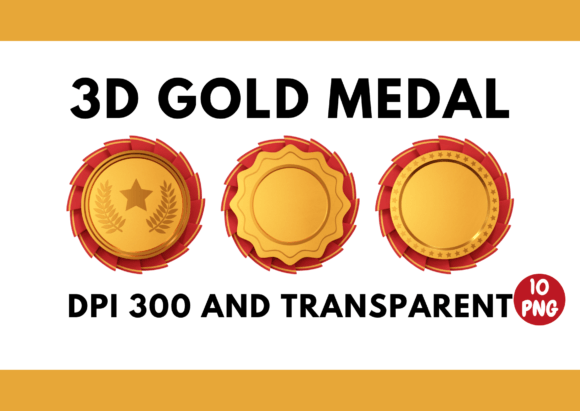
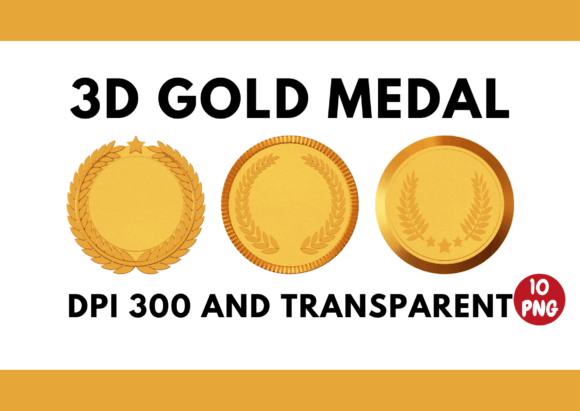
A 3D Render Gold Medal is not merely a flat photograph of a physical object. Instead, it is a computer-generated image created using three-dimensional modeling software. This process allows for precise control over lighting, texture, and perspective, resulting in a hyper-realistic representation of a gold medal. The specific asset discussed here comes as a specification file containing ten PNG images. These files feature a transparent background and are free of watermarks, ensuring they can be seamlessly integrated into diverse projects without additional editing to remove backgrounds or obstructions.
The transparency of the PNG format is particularly significant. It allows designers to place the medal over any color, pattern, or image without the distraction of a white or colored box surrounding the object. This flexibility is essential for maintaining professional aesthetics in layered compositions.
Why Designers Choose 3D Renders Over Photography
When evaluating whether to use a 3D render versus a traditional photograph, several factors come into play. Photography is subject to the limitations of the physical world, such as inconsistent lighting, reflections, and imperfections on the metal surface. In contrast, a 3D render offers consistency and perfection. The lighting can be adjusted to highlight the metallic sheen exactly where needed, and the texture can be refined to appear pristine.
For professionals working on tight deadlines, the convenience of a ready-to-use cutout cannot be overstated. Creating a high-quality 3D render from scratch requires specialized software and significant time investment. By utilizing a pre-rendered asset, designers can focus on composition and messaging rather than technical execution. This efficiency makes the 3D Render Gold Medal an attractive option for agencies and freelancers who need to deliver high-volume content quickly.
Key Applications and Use Cases
The versatility of this asset allows it to fit into numerous design contexts. Below are some scenarios where this element proves particularly effective:
- Social Media Content: In feed posts and stories, a gold medal can signify achievement, top rankings, or special promotions. Its eye-catching metallic finish helps stop the scroll and draw attention to key messages.
- Greeting Cards and Invitations: For events celebrating milestones, such as graduations, retirements, or sports victories, a gold medal adds a thematic touch that reinforces the celebratory nature of the occasion.
- Video Elements: When used in motion graphics, the static PNG can be animated with simple scale or rotation effects. The high resolution ensures that the image remains crisp even when manipulated slightly within video editing software.
- Advertisements and Posters: Marketing materials often rely on symbols of quality and success. Placing a gold medal next to a product or service subtly communicates excellence and premium status to the consumer.
Evaluating Benefits and Tradeoffs
While the benefits of using a pre-made 3D Render Gold Medal are clear, it is important to consider the tradeoffs. One primary advantage is the immediate availability of a high-quality asset. However, because these are pre-rendered, you have limited control over the angle and lighting compared to creating a custom 3D model. If your project requires a very specific perspective that does not match the provided ten PNG files, you may find the asset restrictive.
Another consideration is style consistency. A 3D render has a distinct look—clean, polished, and often slightly idealized. If your brand aesthetic relies on gritty, authentic, or hand-drawn visuals, a hyper-realistic 3D medal might feel out of place. Designers must ensure that the asset aligns with the overall visual language of their project.
Technical Considerations for Integration
To get the most out of these files, understanding their technical specifications is vital. The PNG format supports lossless compression, meaning the image quality does not degrade with saving and reopening. However, file sizes can be larger than JPEGs. When using these assets for web-based content, such as headers or online advertisements, it is advisable to optimize the file size further if necessary, without compromising the transparency or clarity of the edges.
Since the background is transparent, pay close attention to the colors behind the medal. Gold reflects its environment. If the render includes simulated reflections, placing it against a clashing color scheme might look unnatural. Ideally, test the medal against various backgrounds to ensure the lighting interactions appear believable. For dark backgrounds, the gold tones will pop, while on light backgrounds, you may need to add a subtle drop shadow to create depth and separation.
When to Consider Alternatives
There are situations where a 3D Render Gold Medal may not be the best choice. If your project requires a highly customized shape, specific engraving text, or a unique ribbon design, a generic render may not suffice. In such cases, hiring a 3D artist to create a bespoke model or using vector graphics to design a stylized icon might be more appropriate.
Additionally, for print projects requiring extremely large formats, such as billboards, verify the resolution of the PNG files. While suitable for most digital and standard print uses like flyers and posters, ensure the pixel dimensions meet the DPI requirements for large-scale printing to avoid pixelation.
Making the Right Decision
Choosing the right visual asset involves balancing quality, convenience, and relevance. The 3D Render Gold Medal offers a strong solution for designers seeking a quick, professional, and versatile symbol of achievement. It is particularly well-suited for digital-first content where speed and visual impact are paramount.
Before integrating this asset into your workflow, assess your specific needs. Do you require multiple angles? Does the style match your brand? If the answer to these questions is yes, this collection of ten transparent PNGs provides a robust resource. Remember, the goal is to enhance your message, not distract from it. Used thoughtfully, this element can elevate your designs, adding a touch of prestige and professionalism.
If you have specific questions regarding compatibility or usage rights, reaching out through the provider’s profile page is a recommended step. Clear communication ensures that you fully understand the license terms and can utilize the assets confidently in your commercial or personal projects. By carefully evaluating your design requirements against the capabilities of this asset, you can make an informed decision that supports your creative goals.