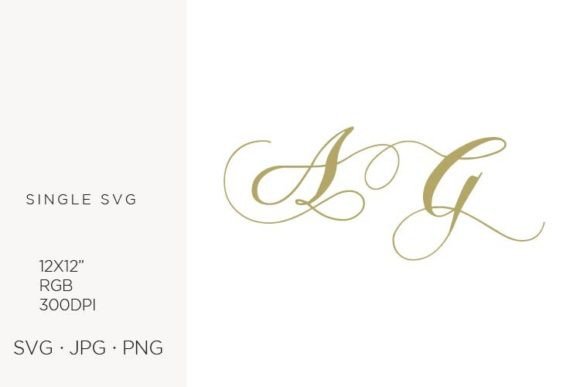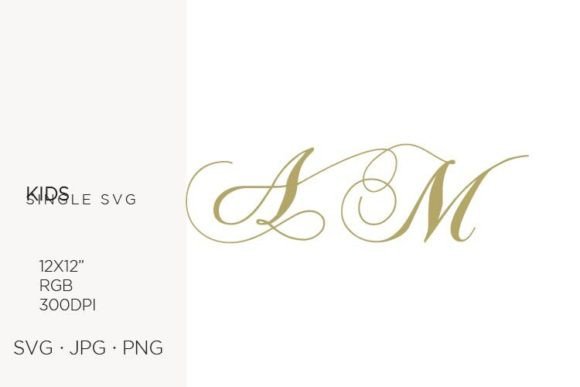
Unlocking Creative Potential: A Guide to Monogram Letter A and M SVG Artwork for Designers and Crafters
In the rapidly evolving world of digital design and handmade crafts, personalization has become more than just a trend; it is a fundamental expectation. Whether you are a professional graphic designer, a small business owner selling on Etsy, or a hobbyist looking to create unique home decor, the tools you choose define the quality of your output. One of the most versatile and enduring forms of personalization is the monogram. Specifically, digital assets featuring distinct letters, such as Letter A and Letter M, serve as powerful building blocks for a wide array of creative projects. This article explores the significance of high-quality SVG artwork, specifically focusing on monogram elements, and how they can transform your creative workflow.
Understanding the Power of Vector Graphics in Modern Design
To truly appreciate the value of a digital download package containing SVG, JPG, and PNG files, one must first understand the technology behind them. The term SVG stands for Scalable Vector Graphics. Unlike standard image formats that are made of pixels, vector files are created using mathematical paths. This distinction is crucial for designers. When you zoom in on a pixel-based image like a JPEG, it eventually becomes blurry or "pixelated." However, an SVG file can be scaled up to the size of a billboard or down to the size of a business card without losing any clarity or sharpness.
For creators working with monograms, this scalability is essential. You might want to use the same Letter A design for a tiny earring and a large wall decal. With a vector file created in professional software like Adobe Illustrator, this is seamlessly possible. The artwork provided in these digital packs is typically crafted at a high resolution, often with an artboard size of 12x12 inches at 300 DPI (dots per inch), ensuring that even when converted to raster formats like PNG or JPG, the edges remain crisp and professional.
Why Monograms Remain Timeless
A monogram is a motif made by overlapping or combining two or more letters to form one symbol. Historically, monograms were used by artists and craftsmen to sign their work. Today, they have evolved into a staple of personal branding and decorative art. The combination of specific letters, such as Letter A and Letter M, allows for endless stylistic interpretations. From classic serif fonts that evoke tradition and elegance to modern sans-serif styles that suggest minimalism and contemporary flair, the choice of typography sets the tone for the entire project.
The significance of using pre-designed, high-quality monogram elements lies in efficiency and consistency. Instead of spending hours drawing each curve and line from scratch, creators can utilize these ready-made assets to jumpstart their designs. This does not diminish creativity; rather, it allows the designer to focus on composition, color theory, and application.
Practical Applications for Digital Art Assets
The versatility of a single SVG file cannot be overstated. When you purchase or download a pack that includes a transparent PNG, a high-resolution JPG, and the editable SVG, you are equipped to handle almost any medium. Let us explore how these files fit into various aspects of modern life, business, and creativity.
- Logo Design and Branding: For entrepreneurs, a monogram serves as an excellent logo. It is simple, memorable, and easily recognizable. Using the Letter M or Letter A as the central icon can help establish a strong visual identity for boutiques, consulting firms, or personal blogs.
- Wall Art and Home Decor: With the rise of cutting machines like Cricut and Silhouette, SVG files are the gold standard for home decor. You can cut vinyl decals for nursery walls, create wooden signs for living rooms, or design custom pillows. The 12x12 inch artboard size is particularly convenient for standard crafting mats.
- Stationery and Invitations: Weddings, birthdays, and corporate events all require printed materials. High-resolution JPG and PNG files at 300 DPI ensure that when these images are printed on invitation cards, announcements, or thank-you notes, the text remains sharp and the colors vibrant.
- Handmade Craft Items: Sublimation printing, heat transfer vinyl (HTV), and laser engraving all benefit from clean vector lines. A transparent background PNG is especially useful for sublimation, allowing the design to blend seamlessly onto mugs, t-shirts, and tote bags.
Navigating File Formats: A Beginner’s Guide
For those new to digital design, the variety of file formats included in a typical zip file can be confusing. Here is a breakdown of what each file offers and when to use it:
- SVG File: This is your primary working file for cutting machines and vector editing software. Use this if you plan to resize the image significantly or change the color of individual elements within a program like Adobe Illustrator or Inkscape.
- PNG File (Transparent Background): Ideal for web design, digital invitations, and sublimation printing. The transparency ensures that no white box appears around your letter design when placed over colored backgrounds or photos.
- JPG File (300 DPI): Best for standard printing where transparency is not required. This format is universally compatible and works well for physical prints, social media posts, and quick previews.
It is important to note that these files are often created in professional vector programs. This means the underlying geometry is precise. When you open the SVG in a browser or a design tool, you are seeing a mathematically perfect representation of the artist’s intent.
Enhancing Your Creative Workflow
Integrating these digital graphics elements into your routine can significantly reduce production time. Imagine you are creating a series of handmade cards for a wedding party. Instead of manually drawing the initials for each guest, you can use the base Letter A and Letter M designs, adjust the colors to match the wedding palette, and arrange them quickly. This consistency creates a cohesive look across all items, from the invitations to the party decor.
Furthermore, understanding the technical specifications, such as the RGB color palette, is vital for digital displays. RGB (Red, Green, Blue) is the color model used for screens. If you are designing for web use or digital announcements, these colors will appear bright and accurate. However, if you are sending files to a professional printer, you may need to convert them to CMYK. Having the original vector file makes this conversion process much smoother and less prone to color shifting.
Common Misconceptions About Digital Downloads
One common misunderstanding is that buying a digital file means you own the copyright to the design itself. In reality, most licenses allow for personal and commercial use of the end product (like a shirt or a card) but do not allow you to resell the digital file as your own. Always read the license agreement. Another assumption is that SVGs are only for cutting machines. While they are popular in that community, they are equally valuable for web developers and app designers who need scalable icons that load quickly and look sharp on retina displays.
Additionally, some beginners believe that higher DPI always equals better quality for web use. This is not true. Screens display images at 72 or 96 PPI (pixels per inch). A 300 DPI image is unnecessary for web use and can slow down loading times. However, having the 300 DPI source file ensures you are covered for both print and digital needs, providing maximum flexibility.
Conclusion: Elevating Your Projects with Quality Assets
The availability of high-quality monogram artwork, such as designs featuring Letter A and Letter M, represents a significant resource for anyone involved in creative fields. By leveraging the strengths of SVG technology—scalability, precision, and editability—you can produce professional-grade results across a multitude of platforms. Whether you are designing a logo for a new business, creating wall art for your home, or crafting invitations for a special event, these digital elements provide the foundation for excellence.
As technology continues to bridge the gap between digital design and physical creation, the ability to work seamlessly between formats like SVG, PNG, and JPG becomes an indispensable skill. By starting with robust, vector-based assets created in tools like Adobe Illustrator, you ensure that your creative vision is never limited by technical constraints. Embrace these tools, experiment with different applications, and let your personalized designs speak volumes.