Evaluating the Practical Value of Watercolor Fuchsia Clipart for Modern Design Projects
In the evolving landscape of digital design, the demand for authentic, hand-crafted aesthetics has never been higher. As brands and creators move away from sterile, vector-perfect graphics, there is a distinct shift toward organic textures that convey warmth and personality. This is where Watercolor Fuchsia Clipart enters the conversation as a significant resource for designers, entrepreneurs, and hobbyists alike. Unlike generic stock illustrations, high-quality watercolor elements offer a unique blend of artistic integrity and digital convenience.
This analysis explores the utility, technical specifications, and real-world applications of premium watercolor fuchsia assets. By understanding the nuances of these hand-painted digital files, you can better determine how they fit into your workflow, whether you are designing wedding stationery, developing a corporate brand identity, or creating content for social media platforms.
The Aesthetic Appeal of Hand-Painted Digital Assets
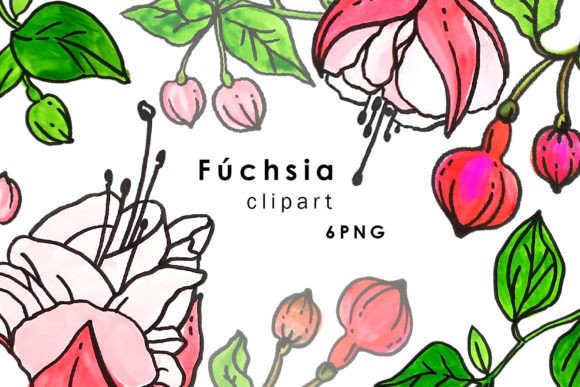
The primary strength of Watercolor Fuchsia Clipart lies in its ability to mimic traditional media while retaining the flexibility of digital formats. Fuchsias, with their distinctive drooping blooms and vibrant color gradients ranging from deep purples to bright pinks, are naturally complex subjects. When rendered through genuine watercolor techniques, these flowers exhibit subtle variations in pigment density, soft edges, and natural bleeding effects that are difficult to replicate artificially.
For designers, this authenticity translates into immediate visual credibility. When used in wedding invitations or greeting cards, these elements suggest a level of care and craftsmanship that resonates with recipients. The organic nature of the brushstrokes breaks up the rigid geometry of text and layout grids, creating a more inviting and dynamic composition. This is particularly valuable in industries such as hospitality, wellness, and boutique retail, where brand perception relies heavily on emotional connection and aesthetic softness.
Technical Specifications and Usability
Aesthetic quality is only half the equation; technical reliability is equally critical for professional use. A standard high-resolution clip art pack typically includes six individual RGB PNG files. The choice of PNG format is deliberate and essential for modern design workflows. Unlike JPEGs, PNGs support transparency, allowing the watercolor elements to be layered seamlessly over any background color, texture, or photograph without unsightly white boxes or jagged edges.
The resolution of these files is a key determinant of their versatility. Professional-grade assets are usually provided at 300 DPI (dots per inch). This specification ensures that the images remain crisp and detailed when printed on physical materials such as cardstock, fabric, or ceramic surfaces. For digital use, such as blog headers or social media posts, the high pixel count allows for scaling and cropping without significant loss of quality. However, it is important to note that these are raster images, not vectors. While they offer excellent detail, they cannot be infinitely scaled up beyond their original dimensions without pixelation. Therefore, checking the specific size indications provided in the product documentation is a necessary step before committing to large-format printing projects like posters or banners.
Practical Applications Across Industries
The versatility of Watercolor Fuchsia Clipart makes it suitable for a wide array of projects. Below are several contexts where these elements demonstrate significant value:
- Wedding and Event Stationery: The romantic and elegant nature of fuchsias makes them ideal for save-the-dates, invitations, and menu cards. The hand-painted style aligns perfectly with current trends in bohemian and rustic-chic weddings.
- Brand Identity and Corporate Style: Small businesses, particularly those in the beauty, fashion, or lifestyle sectors, can use these elements to soften their logos or create cohesive patterns for packaging. This helps in developing a recognizable and approachable corporate style.
- Digital Content Creation: Bloggers and social media managers can utilize these graphics to create eye-catching overlays for photos, Pinterest pins, or Instagram stories. The vibrant colors stand out in crowded feeds, driving higher engagement rates.
- Print-on-Demand Products: Entrepreneurs selling custom merchandise can apply these designs to cups, tote bags, and apparel. The high-resolution PNGs ensure that the print quality remains sharp on various substrates.
- Scrapbooking and Papercraft: For hobbyists, these digital elements can be printed at home for use in decoupage, cardmaking, and physical scrapbooking projects, offering a cost-effective alternative to purchasing expensive physical stickers or stamps.
Evaluating Long-Term Value and Efficiency
From a practical standpoint, the value of purchasing a digital download lies in its efficiency and immediacy. Traditional sourcing of custom illustrations involves lengthy communication with artists, multiple revision rounds, and significant costs. In contrast, a pre-made clip art pack offers an instant solution. With no shipping fees or waiting periods, creators can purchase, download, and implement the assets into their projects within minutes. This speed is crucial for freelancers and small business owners who often operate under tight deadlines.
Furthermore, the affordability of digital clips allows for experimentation. Designers can test different color palettes and compositions without the financial risk associated with custom commissions. If a particular design direction does not resonate with the target audience, the low investment cost minimizes the impact. Over time, a well-curated library of such assets can become a foundational part of a designer’s toolkit, reducing the time spent on creating basic decorative elements from scratch.
Limitations and Considerations
While Hand Painted drawing Watercolor Fuchsia clipart offers numerous benefits, it is not a one-size-fits-all solution. Users must be aware of certain limitations. First, because these are pre-designed elements, they lack the exclusivity of custom artwork. There is a possibility that other designers may use similar assets, which could dilute brand uniqueness if not customized further through color adjustment or composition changes.
Second, the fixed nature of raster images means that editing the internal details of the flower—such as changing the shape of a petal or adjusting the flow of the paint—is challenging without advanced photo editing skills. Users should view these clips as building blocks rather than fully editable templates. Finally, ensuring proper licensing compliance is essential. Most digital downloads are intended for personal and commercial use, but restrictions may apply regarding mass production or resale of the raw files. Always review the terms of service provided by the creator.
Conclusion: Is It Right for Your Project?
Ultimately, the decision to integrate Watercolor Fuchsia Clipart into your design repertoire depends on your specific needs for authenticity, speed, and budget. If your project requires a touch of organic elegance and you need high-quality assets quickly, this type of digital resource is an excellent choice. It bridges the gap between artistic expression and practical usability, providing a reliable foundation for both digital and physical creations.
For professionals seeking to enhance their visual storytelling without the overhead of custom illustration, these hand-painted elements offer a compelling balance of quality and convenience. By leveraging the high resolution and transparent backgrounds of these files, you can create sophisticated, polished designs that resonate with your audience and elevate your brand presence. Whether you are crafting a single invitation or developing a comprehensive brand suite, understanding the capabilities and constraints of these tools will help you maximize their potential in your creative workflow.